Chewing problems or missing teeth?
Get back to enjoying the foods you love
If chewing has been hard for years, you’re not alone.
Many people quietly adapt — cutting food into tiny pieces, choosing soft options, avoiding eating out, or chewing on just one side — without realising there are dental solutions that can actually help.
At DentalOne, we help patients rebuild confidence and comfort when they eat, even if things have been breaking down for a long time.
Does this sound like you?
You might notice:
If any of these feel familiar, there’s usually a reason behind it – and often, something we can do to improve it.
Imagine if…
Our goal is to help move you closer to this – in a way that’s realistic for your mouth, your lifestyle and your budget.
Why chewing becomes difficult?
Chewing problems are rarely caused by “just one bad tooth”. They usually happen when a few things stack up over time, such as:
As more teeth wear down or are removed, the remaining teeth and your jaw joints have to work harder. Over time, that can lead to pain, further breakages, and more difficulty chewing.
The good news: even if your teeth have been breaking down for years, we can often improve how comfortably you chew and protect what you still have.
How we help at DentalOne
We focus on understanding your specific chewing problems first, then planning solutions around you – not the other way around.

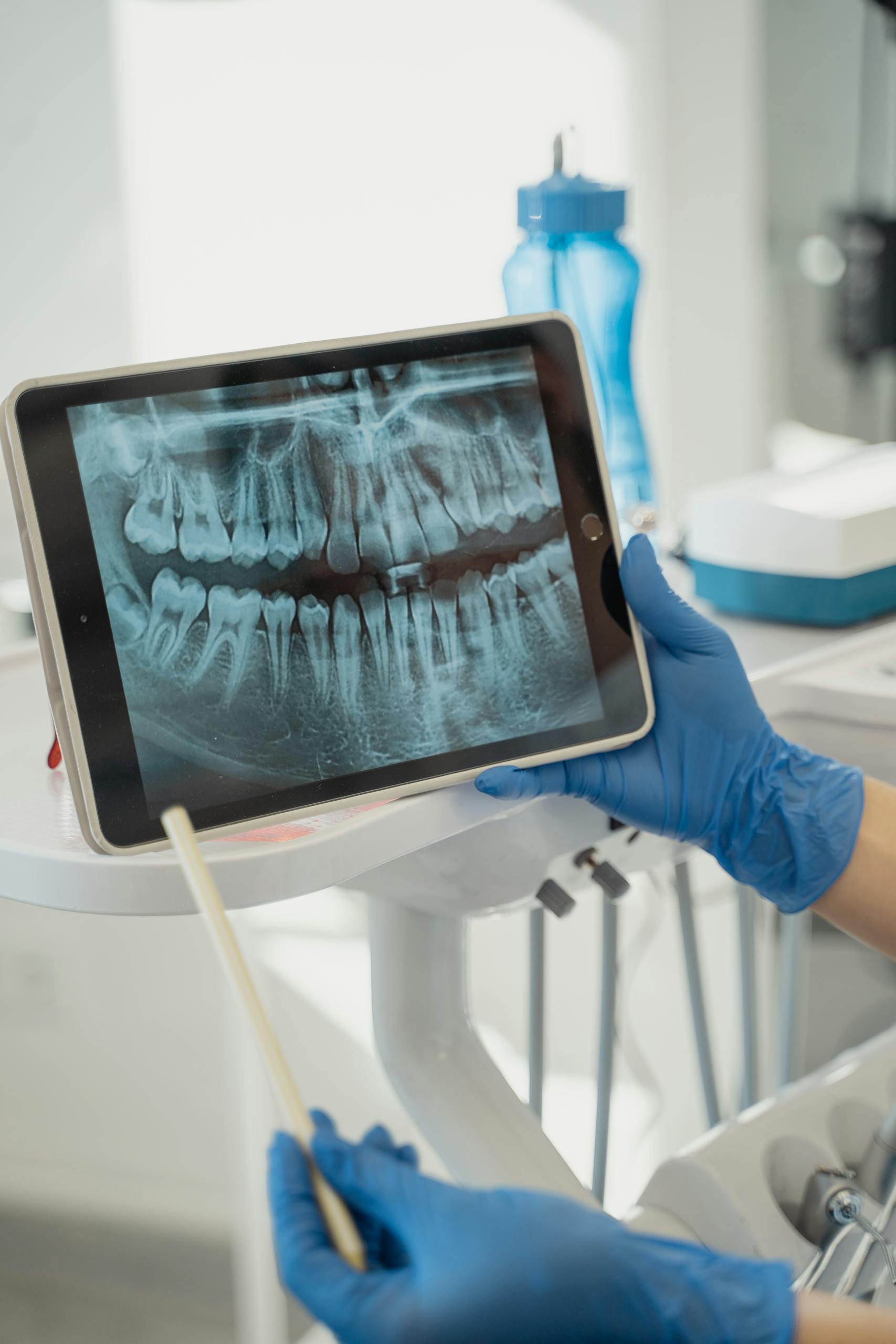
1. Chewing & Bite Assessment
We start by:
We’ll explain what we find in simple language and show you what’s realistically possible and don’t worry, this is a short appointment and we are a judgment free zone so you can tell us about your chewing struggles.
2. Personalised Treatment Options
We’ll outline options that might include:
You’ll see the pros, cons, approximate costs and timeframes for each option so you can make informed decisions.
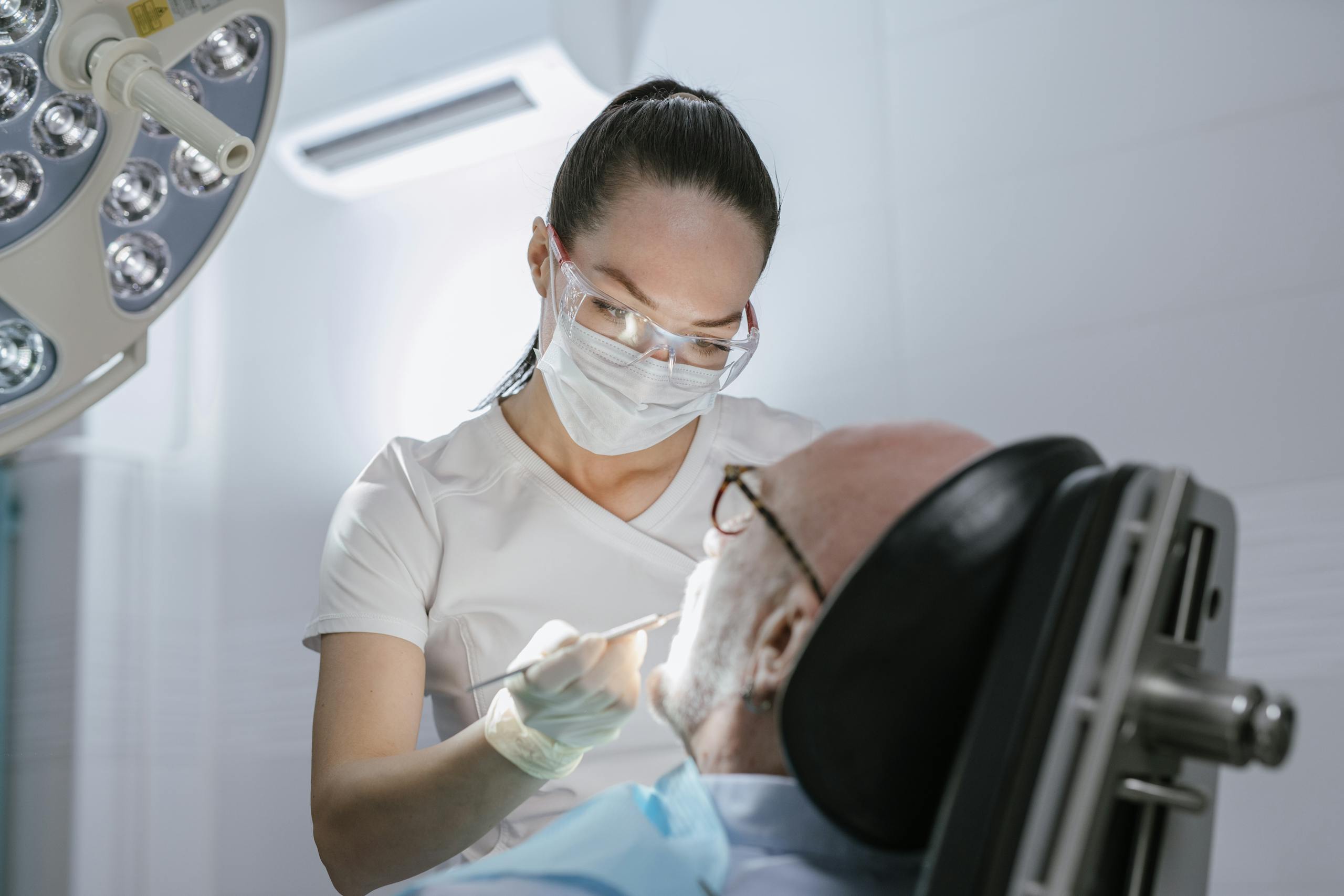
3. Step-By-Step Treatment At Your Pace
You don’t have to “fix everything” at once. We can:
Our aim is always the same: a more stable, comfortable bite that makes everyday eating easier and protects your teeth and jaw for the long term.
Common chewing problems we treat
Use this as a simple “symptom checker”. If one sounds like you, there are usually options to help.
What you might notice | What this often means | How we can help |
|---|---|---|
“I can’t chew steak, nuts or crusty bread without discomfort.” | Some teeth may be too weak, worn, or broken to handle strong chewing. Missing teeth can also overload the remaining ones. | • Strengthen key chewing teeth with protective covers such as crowns or onlays |
“My denture moves or lifts when I eat.” | The denture may no longer fit your gums properly, or there may be insufficient support from teeth or bone to keep it stable. | • Reline or remake the denture for a closer fit |
“I only chew on one side.” | You may be avoiding one side due to pain, weakness, or missing teeth. This puts extra strain on the other side. | • Identify the cause (decay, broken or loose tooth, gum disease, denture issues, bite imbalance) |
“My jaw aches or feels tired after meals.” | Teeth may not be meeting evenly, causing jaw muscles and joints to overwork. Missing or worn teeth can worsen this. | • Rebuild worn teeth to restore balance |
“I have gaps where teeth are missing and food gets stuck.” | Missing teeth break the chewing “chain,” allowing food to trap and nearby teeth to drift or tilt. | • Fixed replacements such as implants or bridges |
“Chewing on certain teeth hurts or feels very sensitive.” | This may indicate a cracked tooth, decay under a filling, deep fillings near the nerve, gum recession, or a tooth taking too much bite load. | • Adjust the bite to reduce overload |
Does this sound like you?
Contact us today to speak with our friendly team and find out what treatment options may be suitable for you.
Treatment options to rebuild your chewing
We’ll always tailor these to you, but in broad terms we’re aiming for:
1. Replace missing teeth
To restore the “chewing team”:
2. Strengthen or rebuild weak teeth
To protect heavily filled, cracked or worn teeth:
These act like helmets for your teeth, helping them cope with chew forces and reducing the risk of further cracking or breaking.
3. Improve denture stability
For people wearing full or partial dentures:
4. Improve jaw comfort and bite balance
To reduce strain on teeth and jaw joints:
You don’t need to remember all the names – our job is to match the right combination of options to your mouth and your goals.
Frequently Asked Clear Aligner Questions
Ready to enjoy eating comfortably again?
You don’t have to keep “just putting up with it”. We regularly help patients who haven’t been able to chew properly for years.
We’ll listen to what you’ve been struggling with, explain what’s realistically possible, and help you explore options at your pace — so you can get back to enjoying food, not worrying about it.
