Chewing problems or missing teeth? Get back to enjoying the foods you love.
Skip to content

Chewing problems or missing teeth?

If chewing has been hard for years, you’re not alone.
Many people quietly adapt — cutting food into tiny pieces, choosing soft options, avoiding eating out, or chewing on just one side — without realising there are dental solutions that can actually help.
At DentalOne, we help patients rebuild confidence and comfort when they eat, even if things have been breaking down for a long time.

Does this sound like you?

You might notice:

  • “I can’t chew steak, nuts or crusty bread without discomfort.”
  • “My denture moves or lifts when I eat.”
  • “I only chew on one side because the other side hurts or doesn’t work.”
  • “Food gets stuck in gaps where teeth used to be.”
  • “My jaw feels tired or achy after meals.”
  •  “I find myself changing how I eat when I’m around other people (small bites, avoiding certain foods).”
  • “I sometimes avoid social meals because of my chewing or denture issues.”
  • “Chewing on certain teeth gives me a sharp twinge or sensitivity.”

If any of these feel familiar, there’s usually a reason behind it – and often, something we can do to improve it.

Imagine if…

  • You could bite into your favourite foods without worrying if your teeth or dentures will cope.
  • You didn’t have to avoid crusty bread, steak, or crunchy foods.
  • Your dentures stayed put when you talked and ate.
  • Your jaw didn’t feel tired or sore after meals.
  • You felt more relaxed eating in front of family, friends, or colleagues.
  • “You could say “yes” to dinner invitations without needing to plan around what’s on the menu.”

Our goal is to help move you closer to this – in a way that’s realistic for your mouth, your lifestyle and your budget.

Why chewing becomes difficult?

Chewing problems are rarely caused by “just one bad tooth”. They usually happen when a few things stack up over time, such as:

As more teeth wear down or are removed, the remaining teeth and your jaw joints have to work harder. Over time, that can lead to pain, further breakages, and more difficulty chewing.

The good news: even if your teeth have been breaking down for years, we can often improve how comfortably you chew and protect what you still have.

How we help at DentalOne

We focus on understanding your specific chewing problems first, then planning solutions around you – not the other way around.

Dentures

1. Chewing & Bite Assessment

We start by:

  • Listening to what you struggle with day to day (which foods, which side, how long it’s been going on).
  • Examining your teeth, gums, existing fillings/crowns and dentures.
  • Checking how your teeth meet together (your “bite”) and how your jaw joints and muscles are coping.
  • Taking any X-rays or scans needed to see the full picture.

We’ll explain what we find in simple language and show you what’s realistically possible and don’t worry, this is a short appointment and we are a judgment free zone so you can tell us about your chewing struggles. 
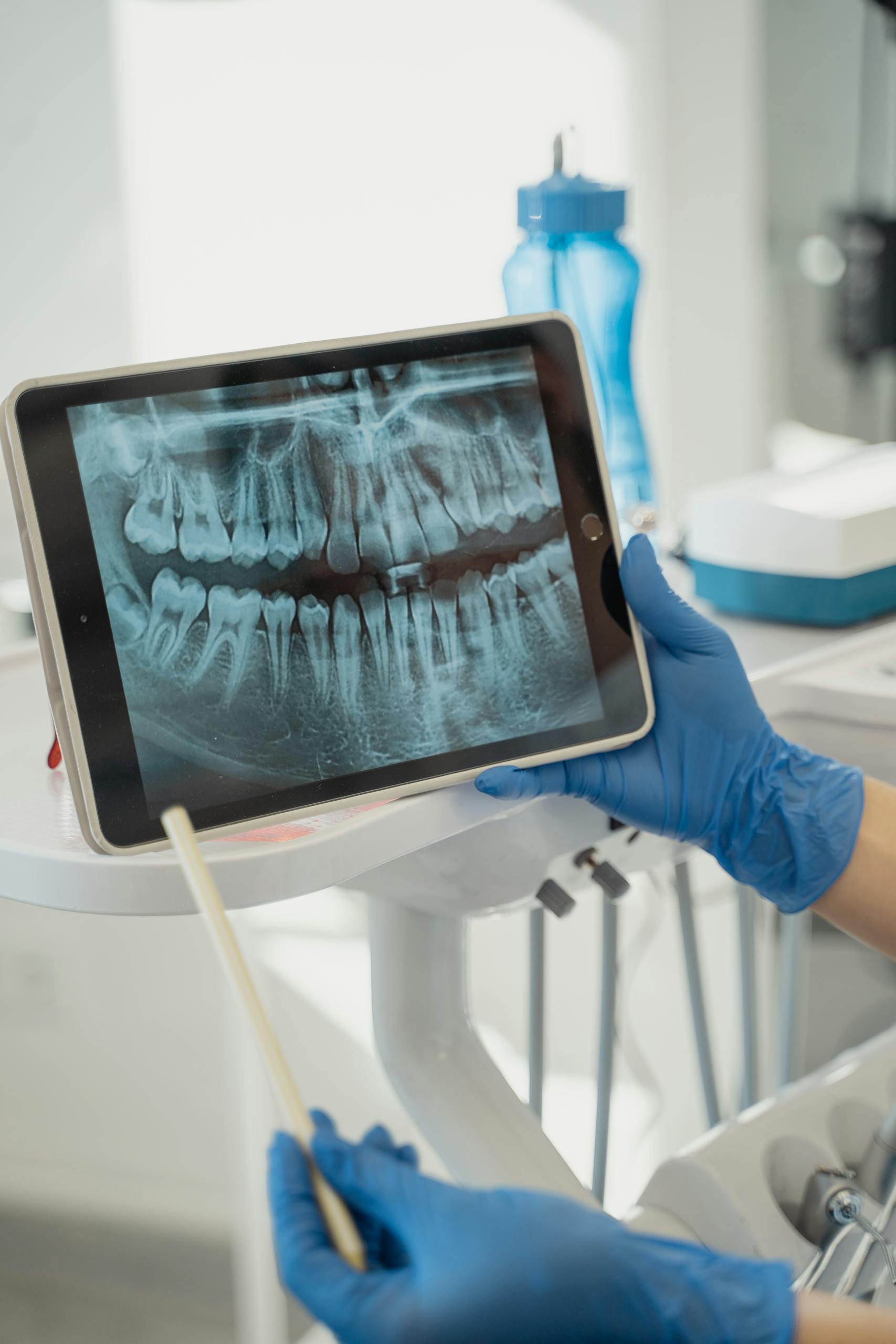
Dentist displaying dental x-ray on tablet in a modern clinic.

2. Personalised Treatment Options

We’ll outline options that might include:

  • Strengthening or rebuilding worn teeth.
  • Replacing key missing teeth to share the chewing load.
  • Improving denture fit and stability.
  • Adjusting your bite to reduce strain on teeth and jaw.

You’ll see the pros, cons, approximate costs and timeframes for each option so you can make informed decisions.
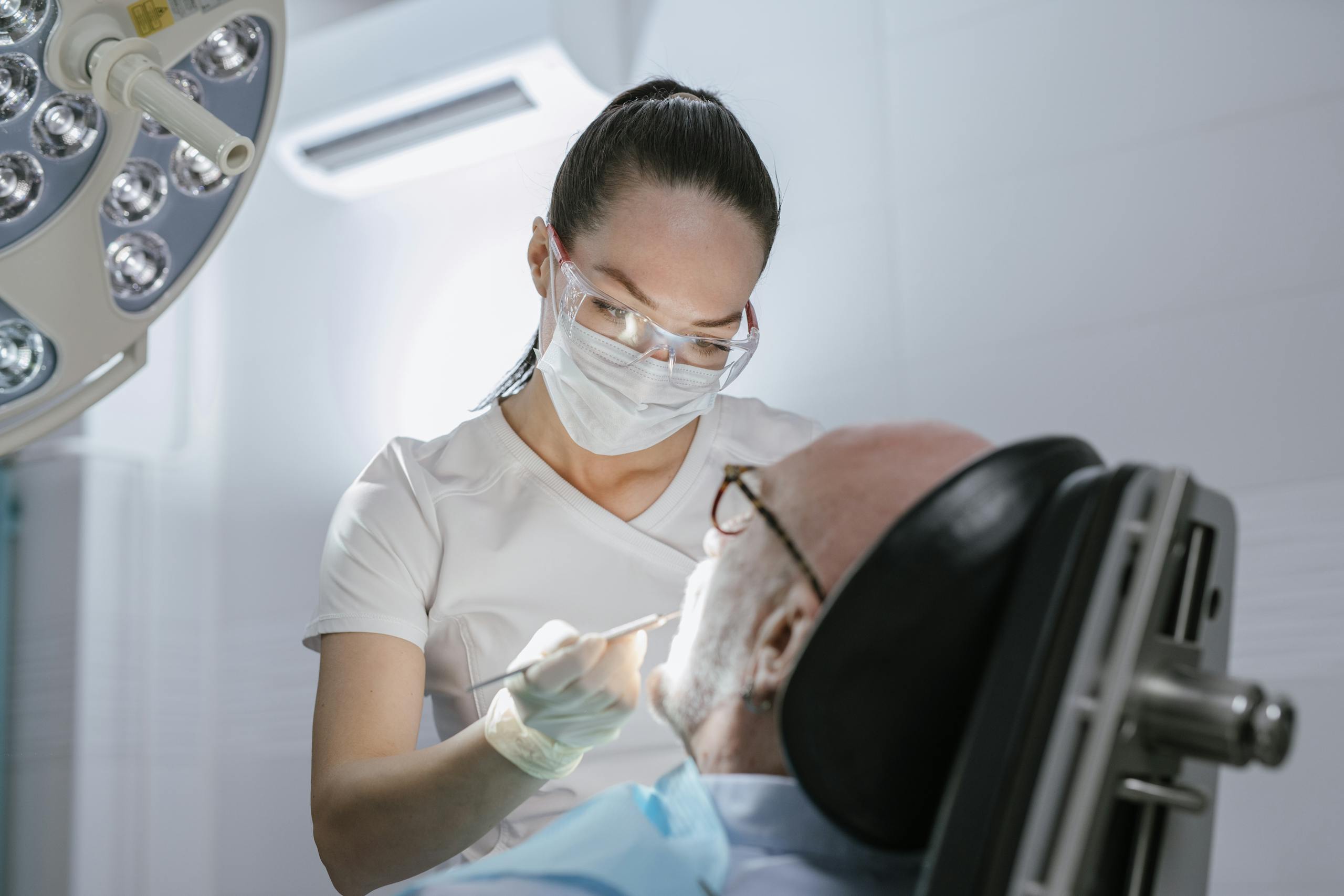
A Dentist doing a Bridge on a Patient

3. Step-By-Step Treatment At Your Pace

You don’t have to “fix everything” at once. We can:

  • Prioritise the teeth or areas causing the most problems.
  • Stage treatment over time to spread out costs.
  • Work with your comfort levels and schedule.

Our aim is always the same: a more stable, comfortable bite that makes everyday eating easier and protects your teeth and jaw for the long term.

Common chewing problems we treat

Use this as a simple “symptom checker”. If one sounds like you, there are usually options to help.

What you might notice

What this often means

How we can help

“I can’t chew steak, nuts or crusty bread without discomfort.”

Some teeth may be too weak, worn, or broken to handle strong chewing. Missing teeth can also overload the remaining ones.

• Strengthen key chewing teeth with protective covers such as crowns or onlays
• Replace important missing teeth with a bridge, implant-supported tooth, or carefully designed partial denture

“My denture moves or lifts when I eat.”

The denture may no longer fit your gums properly, or there may be insufficient support from teeth or bone to keep it stable.

• Reline or remake the denture for a closer fit
• Improve the design to better lock around remaining teeth
• Use small implants to clip the denture in place (implant-retained denture / overdenture)

“I only chew on one side.”

You may be avoiding one side due to pain, weakness, or missing teeth. This puts extra strain on the other side.

• Identify the cause (decay, broken or loose tooth, gum disease, denture issues, bite imbalance)
• Treat the underlying problem and rebuild or replace teeth
• Adjust the bite so both sides share the load evenly

“My jaw aches or feels tired after meals.”

Teeth may not be meeting evenly, causing jaw muscles and joints to overwork. Missing or worn teeth can worsen this.

• Rebuild worn teeth to restore balance
• Replace missing teeth to reduce strain
• Carefully adjust the bite
• Provide a custom bite splint or night guard where appropriate

“I have gaps where teeth are missing and food gets stuck.”

Missing teeth break the chewing “chain,” allowing food to trap and nearby teeth to drift or tilt.

• Fixed replacements such as implants or bridges
• Well-designed partial dentures to fill gaps and spread chewing forces
• Even replacing a few key teeth can improve comfort and function

“Chewing on certain teeth hurts or feels very sensitive.”

This may indicate a cracked tooth, decay under a filling, deep fillings near the nerve, gum recession, or a tooth taking too much bite load.

• Adjust the bite to reduce overload
• Treat decay or leaking fillings
• Protect the tooth with a crown
• Use desensitising treatments or protect exposed roots
• Discuss root canal treatment where needed

Does this sound like you?

Contact us today to speak with our friendly team and find out what treatment options may be suitable for you.

Treatment options to rebuild your chewing

We’ll always tailor these to you, but in broad terms we’re aiming for:

1. Replace missing teeth

To restore the “chewing team”:

  • Fixed tooth replacement that feels most like a natural tooth – Often done using a dental implant with a crown – a small titanium post in the bone with a custom-made tooth on top. Designed to feel secure and natural when you chew.
  • Bridges – A fixed row of one or more teeth attached to neighbouring teeth or implants (an “implant-supported bridge”). This can replace several missing teeth without a removable denture.
  • Partial dentures – A removable device that replaces several missing teeth at once. When carefully designed and fitted, it can significantly improve chewing and appearance.

2. Strengthen or rebuild weak teeth

To protect heavily filled, cracked or worn teeth:

  • Crowns – strong protective “caps” that cover the entire tooth.
  • Onlays – partial covers that protect the chewing surface of the tooth.

These act like helmets for your teeth, helping them cope with chew forces and reducing the risk of further cracking or breaking.

3. Improve denture stability

For people wearing full or partial dentures:

  • Careful redesign and refitting to better match your gums and remaining teeth.
  • Implant-retained dentures/overdentures – a denture that clips onto a few small implants so it feels much more secure when eating and speaking.

4. Improve jaw comfort and bite balance

To reduce strain on teeth and jaw joints:

  • Rebuilding worn areas so more teeth contact evenly.
  • Adjusting your bite where appropriate.
  • In some cases, providing a custom bite splint/night guard to protect teeth and support the jaw while you sleep.

You don’t need to remember all the names – our job is to match the right combination of options to your mouth and your goals.

Frequently Asked Clear Aligner Questions


No.
We’ll help you decide which teeth are most important for your chewing and long-term health. Often, strengthening or replacing key teeth can make a big difference, even if we don’t treat every single tooth.

In most cases, no.
Where teeth need to be removed or major work is planned, we’ll discuss temporary solutions (such as immediate dentures or temporary restorations) so you’re not left with obvious gaps during treatment.

Only you can decide that – but many patients tell us that being able to eat comfortably, enjoy a wider range of foods, and feel less self-conscious has a huge impact on their daily life and confidence.

We’ll always be upfront about costs, timelines and payment options, and we’re happy to work out a staged plan so treatment can be more manageable.

We use local anaesthetic to keep you comfortable during treatment.
If you find dental visits difficult, please let us know – we can go at your pace, explain each step, and discuss options to help you feel more comfortable

This depends on:
– How many teeth are involved.
– Whether we’re using implants (which require healing time).
– Whether we’re rebuilding your bite in stages.
At your assessment, we’ll outline an approximate timeline so you know what to expect.

Ready to enjoy eating comfortably again?

You don’t have to keep “just putting up with it”. We regularly help patients who haven’t been able to chew properly for years. 

  • Book a Chewing & Bite Assessment with one of our dentists, or
  • Send us a question if you’re not sure where to start.

We’ll listen to what you’ve been struggling with, explain what’s realistically possible, and help you explore options at your pace — so you can get back to enjoying food, not worrying about it.

Get in touch

Whether you have a dental emergency, need to get some advice or just want to get a regular check-up, our dental team is here to help. With the convenience of flexible booking times, a brand new clinic and affordable pricing we know you'll want to make your next appointment at DentalOne. Get in touch with us today by calling, emailing or filling in our booking form and we'll book you in to see one of our team of professional and caring dentists. ​

Simply fill in your details below and we will contact you to resolve any queries and to confirm your appointment.


Stay social with us: